
Winter Home Maintenance Tips to Prevent Costly Damage
Winter weather can place unexpected pressure on a home. A mild day can quickly give way to freezing temperatures, snow, and ice, leaving little time to prepare. Although no homeowner can control the forecast, a few proactive maintenance steps can lower the chance of costly repairs and unexpected insurance claims.
Seasonal upkeep is easy to postpone, yet completing a few basic tasks before severe weather arrives can make a real difference. Two out of five homeowners say they have not taken steps in the last five years to protect their property from extreme weather. With the average annual cost to own and maintain a single-family home now exceeding $18,000, protecting that investment matters. Fortunately, effective winter preparation does not always require a major project; routine maintenance can go a long way.
Arrange a Heating System Checkup
Your heating system is likely to work harder in winter than during any other part of the year. Having it inspected before the temperatures fall can help confirm that it is functioning properly and reveal smaller concerns before they turn into more serious issues.
A professional checkup can identify potential mechanical problems and efficiency concerns early, reducing the risk of losing heat during the coldest weather. Homeowners with older thermostats may also benefit from switching to a programmable or smart model. Maintaining a more consistent indoor temperature can support energy efficiency while helping manage heating costs.
Help Prevent Frozen and Burst Pipes
Frozen plumbing pipes are among the most frequent and costly sources of winter home damage. Water expands as it freezes, building pressure inside a pipe until it cracks or bursts. One broken pipe can send hundreds of gallons of water into a home each hour, causing substantial damage before it is noticed.
Insulating exposed pipes is a straightforward way to reduce the risk. Pay particular attention to pipes in unheated spaces, including basements, crawl spaces, garages, and attics. It is also important to keep the home at 65°F or warmer, including when the property will be vacant for an extended period. A steady indoor temperature helps protect plumbing during severe cold snaps.
Check Smoke and Carbon Monoxide Alarms
Because heating equipment is used more often in winter, household safety deserves extra attention. Heating systems are a leading cause of home fires during colder months, making dependable smoke and carbon monoxide detectors especially important.
Before winter weather begins, test every alarm in the home. Replace batteries as needed and make sure each device is operating correctly. This small step takes only a few minutes, but it can provide meaningful protection for everyone in the household throughout the season.
Clear Gutters and Downspouts
Gutters often fill with leaves and debris during the fall. When snow, ice, or winter rain follows, clogged gutters can keep water from draining as intended. The resulting backup may reach the roof or allow water to gather near the foundation.
Removing debris from gutters and downspouts before freezing conditions arrive helps move water away from the house. This simple maintenance project can help limit water intrusion and protect both the roof and foundation from avoidable damage.
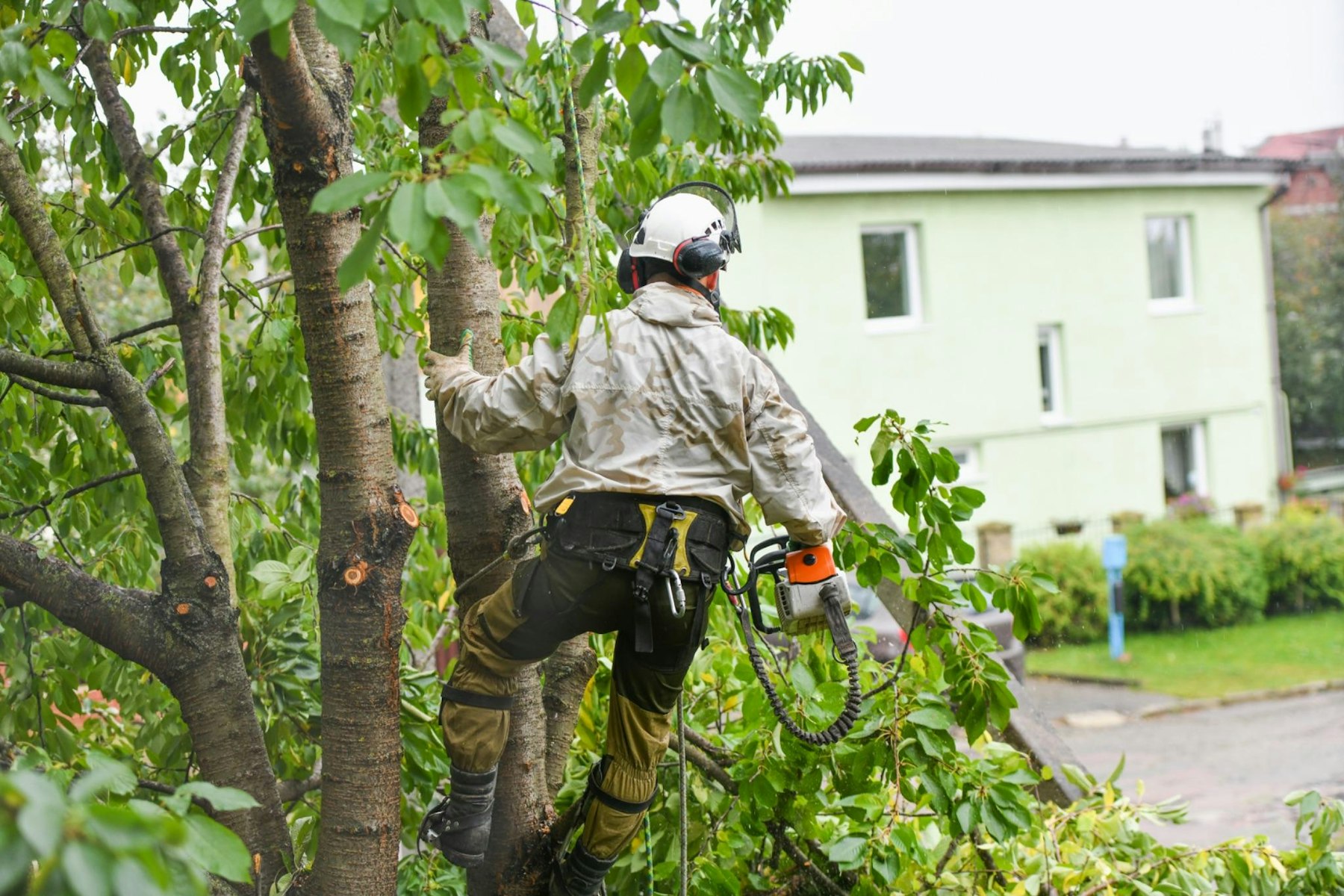
Prune Vulnerable Tree Branches
Trees can enhance a property, but weak, dead, or overhanging branches may become a problem during winter storms. Snow, ice, and strong winds can weigh down limbs or cause them to break, potentially damaging a roof, siding, fence, vehicle, or another structure.
Removing compromised branches before storms arrive can reduce this risk. Routine pruning also encourages healthier growth and can make year-round yard care more manageable.
Simple Steps Can Help Avoid Major Costs
Winterizing a home does not need to involve expensive upgrades or extensive renovations. Focusing on a short list of preventative tasks can help reduce the likelihood of common cold-weather problems and protect one of a homeowner's most significant investments.
Scheduling a heating inspection, insulating exposed pipes, checking safety alarms, clearing gutters, and trimming dangerous branches are practical ways to prepare a property for winter. These projects generally require limited time, yet they can offer valuable reassurance when colder weather arrives.
If you have questions about protecting your home or would like help reviewing your homeowners insurance coverage before winter, contact Paradigm NY Insurance. Our team is here to help you prepare with confidence and understand the protection you may need when it matters most.